Author: Jessie DeThomasis

  • Groin and Hip Injuries in Hockey Players (Part 2)

    By: Bobby DeThomasis

    In my last article I discussed the muscular structures around the hips that may be impacted in hip and groin injuries.  I also discussed how muscular imbalances in the structures around the hips can make an athlete more susceptible to groin and hip flexor strains.  In this article I am going to dive deeper into some of the other injuries that are all too common amongst hockey players, specifically hip impingement syndrome and hip labrum tears.

    Hip impingement (Aka. femoral acetabular impingement syndrome or FAI) is a condition where a bone spur develops in the hip joint on either the head of the femur (Cam style FAI), on the acetabulum of the pelvis (pincer style FAI) or a combination of both.  Despite which bony anatomical structure develops the bone spur the symptoms are typically similar.  Athletes will usually have a pinching sensation in their groin area when the hip goes into flexion especially with adduction (coming across the body) and internal rotation.  Although there have been many athletes that have played entire careers with FAI, over time other issues begin to arise.  Due to the fact that FAI inhibits an athletes ability to go through a full hip range of motion compensatory patterns typically develop.  To compensate for a lack of hip movement there will be a considerably higher amount of shear force placed on the knees and lower back region.  This causes a much higher potential for low back disorders and knee injuries.  On top of that, the bone spurs will ultimately start to wear away at the cartilaginous structures around the hips (the articular cartilage and the labrum).  If the articular cartilage is affected the athlete could develop osteoarthritis.  If the labrum is affected it could ultimately tear.

    This bring me to my next issue which is hip labrum tears.  This is a very serious issue as once the labrum has been torn it will not likely be able to heal on its own.  Although the hip labrum does have some minor blood supply to it, if the tear is significant enough it will not repair itself without surgical intervention.  One of the challenging issue with labrum tears is diagnosing it.  Symptoms may include hip pain but not always.   You may also just have pain that radiates into the low back.  As such many hip labrum tears are mistaken for low back problems.  Unfortunately once an athlete has sustained a hip labrum tear the only course of action to fix it would be to take a surgical approach.  The proper course of action however would be to recognize the risk factors and use preventative methods to decrease susceptibility to labral tears.

    One of the major risk factors for labral tears is lack of structural balance in the soft tissue around the hips.  Although in recent years there has been more of an emphasis on hip flexibility not all hip joints are alike.  As I mentioned in the first part of this article, stretching the wrong structures could be just as detrimental, if not even more so, then not stretching at all.  Although overall flexibility around the hips is important, balance is much more important.  Therefore you should first determine which structure are tight and which structures are weak.   Stretch the tight muscles and strengthen the weak muscles.  I have found that amongst just about all of the hockey players I have worked with in my career almost all of them have similar restriction patterns.  The lateral muscles of the hip, most specifically the gluteus medius, gluteus minimus, iliotibial tract and the deep hip lateral rotators are almost always very tight.  This is due to the nature of skating being so laterally dominant.  Also, due to the amount of time hockey players spend in the flexed hip position, the psoas, iliacus and rectus femoris (the hip flexor muscles) are almost indefinitely tight as well.  Coupled with these weaknesses I often see weaknesses in the adductors and the hip extensors (gluteus maximus and hamstring muscles).

    Of course every athlete is different and the symptom patterns that I described do not apply to everyone.  To get a detailed analysis of your structural balance and to determine what steps you will need to take to maintain healthy hips and groins for the duration of your hockey career email us at info@performancetrainingsystems.com to set up for an initial evaluation.
  • Groin and Hip Injuries in Hockey Players (Part 1)

    By: Bobby DeThomasis


    Anyone who has played hockey can tell you that one of the most common areas that get injured in hockey players is the hip/groin complex.  Typical injuries include but are not limited to “groin strains” (I will explain later why I put that in parentheses), hip flexor strains, hip impingement syndrome and labral tears.  Despite the commonality of these injuries, there are still many misconceptions about how they occur and what treatment options exist both on a rehabilitative and preventative scale.  In this article, I will be focusing mostly on groin and hip flexor strains.  In my next article I will dive deeper into hip impingement syndrome and labral tears, but first I think it is important to understand some of the anatomical structures in the hips that can be associated with hip injuries in hockey players.

    To understand hip and groin injuries you must first understand what can actually be injured.  It has been estimated that over 80% of NHL players either have or had groin strains at some point in there professional career.  That is an astounding number of athletes that end up with similar injuries (I say similar because there are several groin muscles that can be strained).  The hip joint is known as a “ball and socket joint” in the the head of the femur (the large thigh bone) is “ball” shaped and sites into the hip socket (acetabulum).  Due to the structure of the hip joint it has almost unlimited planes of motion that it can move through.  These movements include flexion/extension, abduction/adduction, internal/external rotation and circumduction.  Due to the ability of the hips to move in so many directions it obviously needs many muscles to support those movements.  In the front of the hip you have the hip flexor complex which is primarily made up of the Illiacus, Psoas and Rectus Femoris muscles.  On the back you have the Hamstrings and the Gluteus Maximus. On the inside you have the adductor complex which includes the Adductor Magnus, Longus and Brevis, the Gracilus and the Pectinius (groin muscles).  On the outside you have the Gluteus Medius and Minimus and the Tensor Fascia Latae.

    It is a common misconception to think that the best way for a hockey player to decrease his potential for a groin strain is to increase the flexibility of the groin musculature (the Adductors).  However, a study conducted by Nicholas Tyler titled ‘The Association of Hip Strength and Flexibility on the Incidence of Groin Strains in Professional Ice Hockey Players’ determined that there was no decrease in the amount of groin strains in hockey players with higher levels of pre-season adductor flexibility.  This study would indicate that there is very little correlation between flexibility in the adductor muscles and groin strains.  What was even more interesting though was a correlation that they found between the balance of strength between the Adductors and the Abductors (Gluteus Medius and Minimus).  They found that when in all the uninjured athletes they tested the Adductors had 95% of the strength of the Abductors as opposed to 78% in the injured athletes.  This would indicate that the strength of the Adductors would be a better predictor of an athletes susceptibility for groin strains.  Due to the high level of repetitive hip extension/abduction a hockey player go through while skating the adductors must be very strong to stabilize the leg when it is in the extended position.  If the strength of the adductors is not sufficient to stabilize the leg in the extended position, the potential for injury will increase dramatically.

    The study by Nicholas Tyler really proved how important a strong groin is for hockey players and how stretching the groin may actually increase injury potential.  The hip is a complex joint and understanding it’s kinematics is very important for optimal function and injury prevention.  If you are a hockey player and would like an individualized program that will improve on ice performance all the while making sure that you stay healthy for an entire season you can email us at info@performancetrainingsystems.com to set up or your initial evaluation.  In my next article I will be discussing hip impingement syndrome and labral tears.  In the mean time, start strengthening those adductors!

  • The Importance Of Being Lean

    By: Bobby DeThomasis

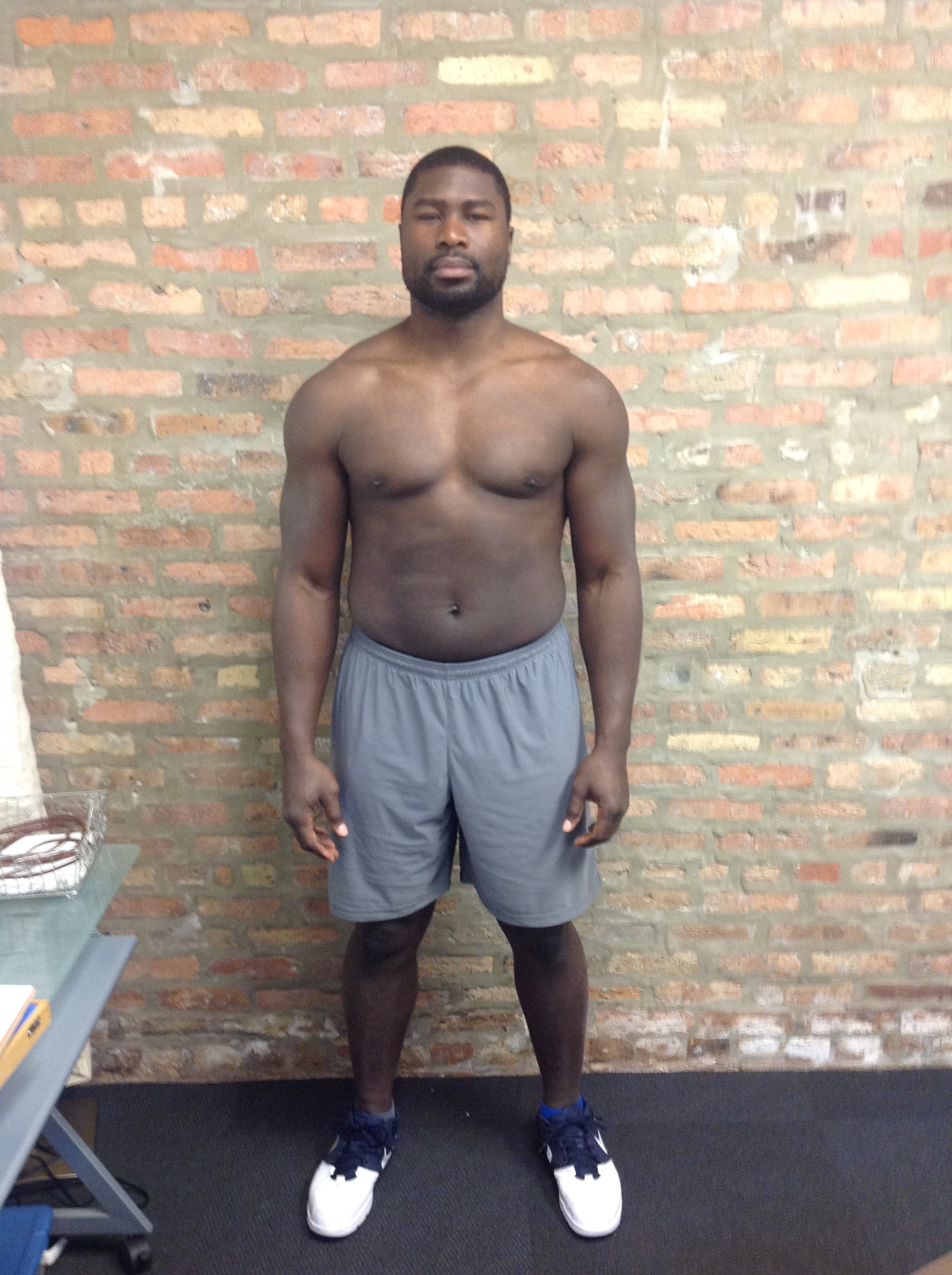
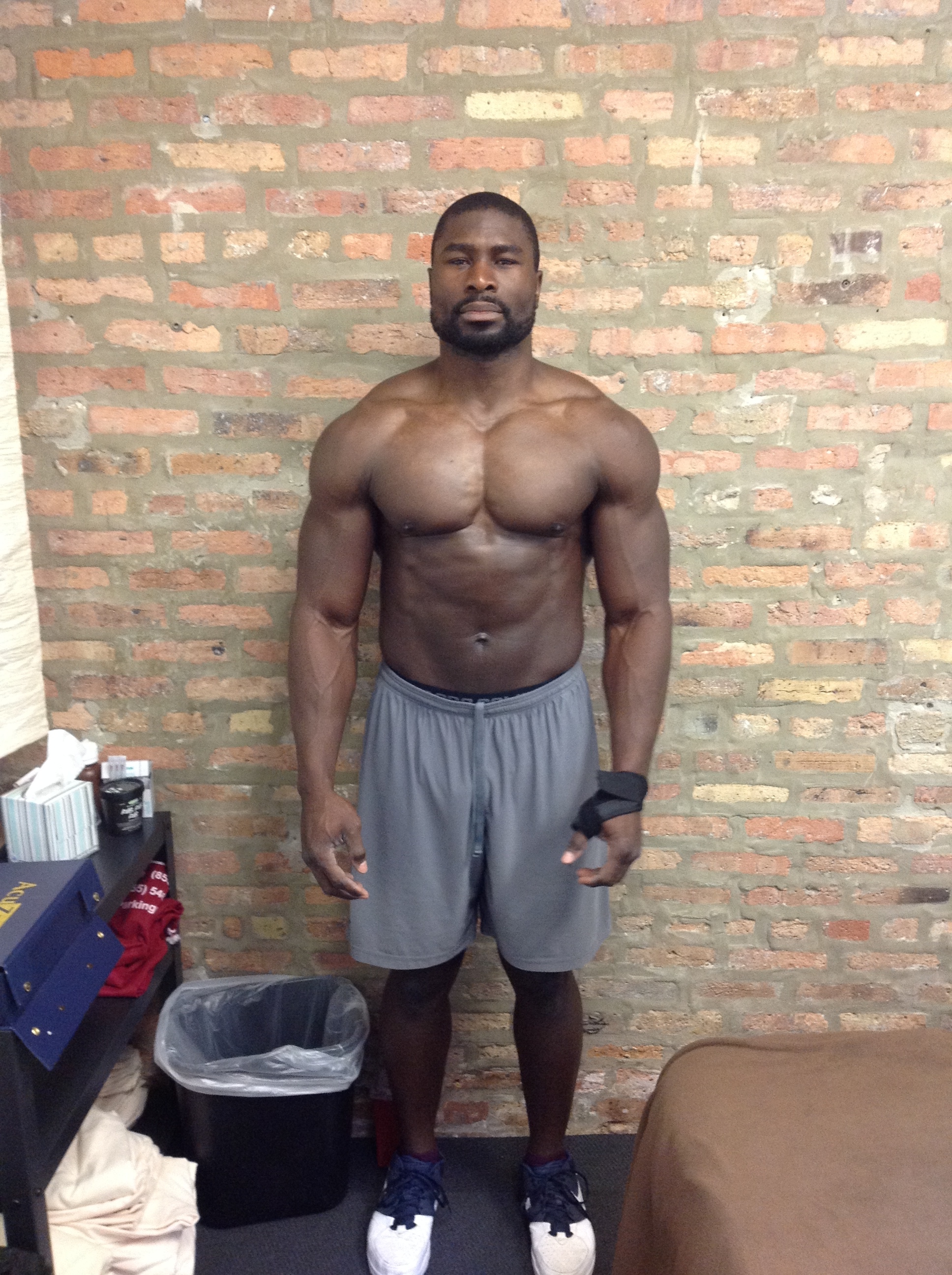
    IMG_0930IMG_1046

    Here at PTS we have the good fortune to be able to work with a very wide demographic of clients.  We work with clients of all shapes and sizes.  From youth to professional athletes and business men and women of all ages.  Everyone that begins to work with us has specific and unique goals that they want to accomplish but the only thing that is constant amongst all of our clients is the need for an improvement in body composition.  You will notice that I said ‘an improvement in body composition’ and not ‘weight loss.’  Those two things may correlate with one another however they don’t always have to.  In some cases an improvement in body comp could actually mean an increase in total body weight.

    When I am putting an new client through the evaluation I will always spend some time discussing his or her specific goals.  Much of the time people  have the misunderstanding the weight loss and body comp improvement are synonymous however the truth is that I have had many athletes that will decrease body fat percentage and increase their overall body weight through and increase in lean mass (AKA muscle tissue).  Why is this an important distinction to make?  Well, consider that muscles have contractile components.  From a physiological standpoint all physical work is done by muscles contracting and producing force.  That muscular force is what propels you forward when you walk and is what gives a basketball player the ability to jump up for a rebound (and all other body movements).  What some people forget is that adipose tissue, or fat, does not have contractile capabilities.  Therefore it could be considered ‘dead weight.’  Meaning that it does not help produce force and as such any excess fat will just weigh down the individual.   From an athletic stand point this has huge implications.  Lets use the example of the basketball player again.  Think of two athletes with almost identical physical traits.  Same height, same strength but one of the athletes has a 25 lb sand bag tied to his waist.  It would be logical to assume that the athlete without the sand bag around his waist will be able to jump higher and get the rebound.  This is kind of a crude example because there are obviously many other factors that play into getting a rebound but the point is that excess body fat is like that 25lb sand bag.  It does not have any capabilities of producing force and therefore is just excess weight.  I have seen dozens of athletes with body fat percentages above 25% when they should be closer to 10%.  Many of whom have never been told how important it is to be lean nor have they ever been taught what proper nutrition actually is.  Now all that being said I still think that for some athletes, having high levels of body mass is important.  For instance, offensive and defensive lineman need to be heavy.  Many coaches (especially at the professional level) place minimums on the body weight of their lineman.  But, just because some needs to be heavy does not mean that he/she needs to be fat.  Through the use of proper dietary guidelines and training protocols athletes can decrease body fat percentage, increase lean mass, get stronger and more powerful all at the same time (often without any decrease in body weight).

    First and foremost, I think that coaches and athletes in general need to start putting much more of an emphasis on body composition improvement.  Decrease body fat percentage, increase lean mass and improve overall functionality.  I can guarantee that the majority of the athletes of on the planet can improve their athletic capabilities by just improving their body comp.

    Whether you are a professional athlete or just someone who would like to look and feel better about your self email us at info@performancetrainingsystems.com to set up an evaluation.

  • Preventing Head Injuries For Hockey and Football Players

    Preventing Head Injuries For Hockey and Football Players

    It seems as though every time you turn on ESPN you hear a report about some athlete in a contact sport having to miss games due to a concussion or other head injury.  I am unsure as to whether head injuries are more prevalent these days or if they are just more publicized.  Regardless, head injuries are a major issue at all levels of sports.  Due to the potential long term ramifications head injuries are of special concern for youth level athletes.  This article will look at some of the recent data on the subject of head injuries in sports and the proven methods to decrease the potential of their occurrence amongst athletes in contact sports like hockey and football.

    According to the Center For Disease Control there are anywhere between 1.6 to 3.8 million concussions that occur in sports every year.  The discrepancy between the two numbers is due mostly to the facts that many athletes do not let anyone know about their possible concussions or do not even know that they have one.  Due to the high level of contact, hockey and football are amongst the sports with the highest prevalence of concussions and other head injuries.  A concussion is defined as a complex pathophysiological process they affects the brain and is typically induced by trauma to the head.  Concussions often occur after a direct blow to the head however that is not necessarily always the case.  Sometimes a hit to the torso of an athlete could also cause a concussion due to the violent reverberation effect of the brain in the skull.  Regardless of the mechanism of injury, the results are the same.  The brain starts to swell and begins to lose some of its functional capabilities.  Symptoms could include, but are not limited to, headaches, nausea, irritability, sadness, difficulty concentrating and sleep disturbances.

    Recent research has demonstrated that the age of the athlete may very well play a major impact on his or her potential for head injuries and the severity of the injury if they sustain one.  Typically the younger the athlete the higher potential for head injuries.  According to Dr. Tad Seifert, Director of Norton Healthcare Sports Concussion Program in Louisville, KY, one of the reasons for younger athletes being more susceptible to concussions could be due to their lack of strength and development of the muscles that surround the neck and lower skull region.  There are over 20 muscles that impact the movement and stability of the neck and head.  Due to younger athletes still being in the physical developmental stage of their lives it is common to see them with under developed neck musculature.  When an athlete with weak neck muscles sustains a hit to the head and/or torso there is significant movement to the head and they will experience that reverberation of the brain in the skull causing a concussion.

    OK, so now that we know what a concussion is, the anatomical structures that are associated with concussions and what makes an athlete susceptible to concussions it is time to discuss the ways that we can decrease an athletes susceptibility to them.  As I mentioned earlier, there is a direct connection between the strength of the neck muscles and the potential for a concussion.  So it would stand to reason that training and strengthening the musculature around the neck will help decrease concussion potential.  The ability to withstand and absorb forces transmitted through the torso and head is of the utmost importance.  Therefore it is important to use a multitude of exercises that train as many different ranges of motion and angle of the neck muscles as possible.  Special focus should be spent on the development of the muscles on the back part of the neck, cervical spinal extensor muscles, as they have the tendency to be especially weak particularly amongst athletes with structural abnormalities like forward head posture.  At PTS we like to use a combination of isometric (contractions without movement) and isotonic (contractions with movement) exercises.   As with anything periodization of your neck training is important to make sure that you are strengthening as much of musculature as possible.

    Head injuries are a serious problem amongst athletes of all ages but are of particular concern for younger athletes.  A well rounded and personalized strength and conditioning program focusing on the strengthening of the neck musculature is extremely important.  For a properly structured program for yourself or your young athlete call or email us today at info@performancetrainingsytsems.com  to set up an evaluation.

    By: Bobby DeThomasis

  • Using Science To Improve Sport Specific Conditioning

    Using Science To Improve Sport Specific Conditioning

    I often get asked the question “what type of conditioning do you do with your athletes?” and my answer is always the same……”it depends on the sport, position and individual.”  No two sports are exactly alike and no two positions in a given sport are exactly alike either.  This article will give a brief overview of the different physiological energy systems and how each one is impacted by activity, exercise and sports.

    To begin, it would be worthwhile to clearly define what energy is and the different types of systems that the body utilizes to produce and maintain energy.  The body maintains a continuous energy supply through the use of adenosine triphosphate or ATP.  You all may remember ATP from high school biology as the special carrier for free energy.  Ultimately the food that you eat will go through many processes to eventually produce ATP.  When your talking about producing energy for work (albeit for normal daily activities like grocery shopping or sporting events like sprinting a 100 meter dash) your body has three methods of producing that energy.  The three methods are known as the phosphagen system, glycolosis and the aerobic system.  Depending on the intensity and duration of your sport/activity you may use one, two or all three of these systems.

    The phosphogen system (aka ATP-CP system) is the primary energy system that is used in bouts of physical work under about 10 seconds (depending on the individual the phosphogen system may be slightly shorter or longer than 10 sec).  In this systems you muscle basically uses its stored ATP for energy.  A working muscle can re-synthesize ATP from creatine phosphate or CP and between the two (stored ATP and re-synthesized ATP from CP) you can produce physical work for about 10 seconds.  After that, your body needs to start producing energy through the breakdown of carbohydrates by the process of glycolosis.

    Glycolosis is the primary systems that produces ATP between 10 seconds and 2 minutes of work.  Carbohydrates in the form of either blood glucose or stored muscle glycogen are broken down in the muscle cell through a series of chemical reactions that ultimately form pyruvate.  Through this process two ATP will be produced.  If the production of pyruvate is greater then the supply of oxygen then the pyruvate gets converted to lactate (which will drop the PH level in your muscles and give that all too familiar burning feeling).  Neither the phosphogen system or glycolosis are oxygen dependent meaning they do not need oxygen to produce energy.  Therefore they are both considered anaerobic energy systems.

    The aerobic energy system is basically used to produce energy after 2 minutes of work.  This is the primary energy systems used in longer endurance events like 5K races, triathlons and other endurance events.  During this process a molecule of either glucose, glycogen or fat gets transported into the cell’s mitochondria and goes through several processes to ultimately produce high levels of ATP (36 for glucose and glycogen and up to 129 for fat).

    OK, so what does all this mean?  Well, depending on your sport’s energy demands you may need to emphasize the development of one or more of the these energy systems.  Common misconceptions amongst coaches is to have hockey players ride a stationary bike for 45-60 minutes claiming that it improves aerobic capacity.  Although that may be true, hockey shifts typically last no longer then 45 seconds.  So by the rules of physiology you are not even coming close to using the aerobic system for the production of energy.  In large part most of a hockey player’s energy is produced through the phosphogen and glycolitic systems.  Therefore it would be unwise to have a hockey player perform long duration/low intensity training training when the demands of his/her sport are obviously much different.  When designing a strength and conditioning program for any sport you should look at the energy demands of that sport and try to mimic your ‘conditioning’ program around those energy systems.  For instance, since a typical shift in hockey is 45 seconds and there is about 2 minutes in between shifts, you may want to have your hockey players push a sled at a high intensity for 45 seconds then rest for 2 minutes and repeat 3-4 times (depending on the line that a player is on he or she may be on the ice for 4-5 shifts per period.  You may then want to give the athlete about 8-10 minutes off depending on the level of hockey that they play, pick another exercise and repeat the process 2 more times (since there are 3 periods in a hockey game).

    This principle of ‘sport specific’ energy systems development can be applied to athletes from all disciplines.  The main characteristics of a good conditioning program is to analyze the energy demands of the sport (i.e. work:rest ratio) and mimic them as close as possible in the weight room.

    At PTS, our coaches are skilled at analyzing the energy demands of all sports and appropriately designing training programs around each athlete’s needs.  For more information on how specific energy system training could improve your athletic performance email us at info@performancetrainingsystems.com and set up an evaluation with one of our coaches.

    By: Bobby DeThomasis

  • Order Poliquin supplements through our website while browsing our blog!

    Click here to order Poliquin supplements when you’re traveling this busy holiday season!

  • A Scientific Approach To Losing Body Fat

    A Scientific Approach To Losing Body Fat

    In this installment I would like to discuss the common misconceptions surrounding body composition improvement and the fallacy that is calorie counting.

    Despite the popularization of the “low calorie” approach to weight loss which has been at the fore front of nutrition mass media over the past several decades, scientific research has proven that approaching weight loss and body composition improvement is much more in depth than the calorie in-calorie out theory. What first must be realized is that not all calories are created equal. To get more in depth we will have to dive into the world of macronutrients.

    The three categories of macronutrients are protein, fat and carbohydrates. Each of these categories has its own caloric value in that every gram of protein and carbohydrate contains four calories each and every gram of fat contains nine calories. It would stand to reason that if you were following a low calorie diet you should limit the amount of fat that you consume and since fat grams contain nine calories each your overall caloric load would decrease. Although this may be true, what you need to realize is that every single cell in your body (whether it is a muscle cell, vascular cell, neurological cell etc.) has a membrane that is made up of certain essential fatty acids and if you begin to decrease the amount of fat that you are taking in, your body will have a very difficult time maintaining cell membrane integrity. In turn this could have a negative effect on losing body fat because you will decrease your ability to get essential nutrients into cells where they can be used as energy. This may cause your body to respond by storing more of that energy (usually in the form of blood glucose) in adipose tissue or body fat.

    What many people fail to realize is that there is an entirely other system in the body that plays a major role in the way you either use stored body fat for energy or store the foods that you are eating into more body fat. The system that I am speaking of is your endocrine or hormonal system. Every time you eat something your digestive tract will break it down into its most simplistic form then transfer the nutrients from that food into the blood stream. Depending on the macronutrient profile of the foods that you consume the digestion process can either be very fast or much slower. The faster you digest a food, the faster its nutrients can get into the blood stream which in turn will raise your blood sugar levels. Once sugar gets into the blood in the form of glucose (the simplest form of sugar) your pancreas will release insulin, also known as the “storage hormone”, to take that glucose and put it into storage somewhere. Your body would like to put most of that glucose into its muscle cells (where it will be stored as glycogen and eventually used as energy) but after muscle cells become completely saturated, which can happen very easily, your body must find somewhere else to store that sugar. It will then put a small amount in your liver to be stored as glycogen and then finally start storing a large majority of the glucose in your fat cells increasing body fat storage.
    Your best bet to stay out of a state of elevated blood sugar and subsequently constantly high insulin production is to eat foods that have a slow digestive rate or low glycemic index (minimally impacts blood sugar). Carbohydrates have the fastest digestive rates and therefore produce the largest increase in blood sugar levels. If your goal is to decrease overall body fat and improve body composition then you would be wise to try and limit your intake of fast digesting/high glycemic carbohydrate based foods. Instead get the majority of your calories from good protein sources (organic meats and wild caught fish) and healthy dietary fat (omega 3 fatty acids) in order to maintain stable blood sugar levels throughout the day and keep your body from producing excess amounts of insulin. In addition to the intake of high quality proteins and fats it is also very important to eat a wide variety of vegetables. Vegetables contain high amounts of vitamins, minerals, phytonutrients and fiber. All of these nutrients are vital to overall health and well being and they play a major role in the overall improvement of body composition.

    Now I know what you are thinking, “don’t I need those carbohydrates for energy?” Actually the answer is NO! If your body does need to synthesize carbohydrates for glycogen storage or immediate energy you actually have the ability to take a molecule of protein and/or fat and put it through a process called gluconeogenesis in the liver that basically converts it into a carbohydrate. It typically takes about two weeks for your body to realize the decrease in carbohydrate consumption and then it will start utilizing stored body fat for energy.

    For more information on how improving the function of your endocrine system can aid in a much more effective and long lasting improvement in body composition contact PTS to learn about our nutrition consultation packages at performancetrainingsystems.com.

    By: Bobby DeThomasis

  • Order MCT Lean Products on our Website!

    Order MCT Lean Products on our Website!

    Order pharmaceutical grade MCT oil and great tasting vegan protein through our new partner MCT Lean. MCT Lean is a local company that manufactures great quality protein and MCT oil to keep you fueled and recover from your training. To order their products click here

  • Improving Speed and Explosiveness for Power Sports

    Improving Speed and Explosiveness for Power Sports

    With the exception of the sport of power lifting, where the goal is to lift as much load as possible, regardless of the time it takes, an athlete’s performance in most other sports is determined by speed, power and explosiveness.  In sports such as football, hockey, basketball, track and field, etc. it is not enough to just be strong.  Athletes need to be able to produce high levels of force in a very short period of time.  In his book, ‘Supertraining,’ Dr. Yuri Verkhoshansky refers to this as the “Rate of Force Development” (RFD) or “Rate of Tension Development” (RTD).

    When training for any sport where speed and explosiveness are important, which as I previously mentioned is just about every sport, the end goal should always be an improvement in the rate at which an athlete can develop force or an increase in the RFD.  This sounds easier then it actually is.  This improvement in RFD can only be achieved through the proper periodization of both strength and speed phases through an off season training regimen.  This article will give an in-depth look at how to appropriately periodize an off season training regimen to improve speed, power and RFD.

    As many people know, if you want to increase RFD you must be doing plyometrics, right? The truth is that although plyometrics can play an important role in athletic development, if those exercises are not performed properly and during the correct phase, they may have a detrimental effect on an athlete and their performance.  Starting at a young age, athletes are performing extremely high volumes of plyometric exercises often with out even knowing it.  For instance, one of the most ‘plyometric’ exercises an athlete can perform is sprinting (as measured by the amount of force it places on the body). Since many sports that young athletes play (i.e. soccer and basketball) consist of a high volume of sprinting, their bodies start adapting to the effects of plyometric exercises at a very early age.  Due to the fact that many sports have such a high volume of sprinting and jumping exercises (i.e. volleyball) it would seem logical that adding more jumping into the strength and conditioning program would be counterproductive, especially for a young athlete that has not yet built the strength through his/her soft tissue system (muscles and connective tissue) to withstand the force of plyometrics. Too commonly strength and conditioning coaches, personal trainers and sport specific coaches prescribe jumping exercises to young athletes in an effort to increase power however if the volume reaches a higher level than the individual can withstand the athlete can start to develop overuse injuries such as  patella tentonitis (jumpers knee), achillies tendonitis, or a host of other issues.  Coaches must keep in mind that power is defined as Force x Velocity (P=FxV).  An appropriate training program would dictate that an improvement in power will not only come from plyometric training to increase velocity, but also through the improvement in the athlete’s ability to develop force (aka strength).

    In his book, ‘Periodization Training For Sport’, Tudor O. Bompa states “For speed sports, power represents a great source of speed improvement. A fast sprinter is also strong. High acceleration, fast limb movement and high frequency are possible when strong muscles contract quickly and powerfully.”  He then goes on to describe how improvement in a muscle’s, or group of muscles’, ability to produce force will have a direct improvement in power development.  Strength is the basis for all biomotor abilities (i.e. speed, power, explosiveness, endurance, etc.). Without an increase in strength, an athlete will only have the ability to develop so much power and speed before they hit their ceiling.  Through the proper implementation of strength training regimens and appropriate off season periodization a coach should focus on increasing their athlete’s strength first and foremost.  Once an improvement in maximal strength is achieved, the athlete then has a platform to transfer their gained strength into more fast contracting movements through the implementation of plyometric exercises.  As an athlete progresses closer to their competition season it would be prudent of the coach to add in ballistic movements such as jumping, bounding and sprinting to help improve the athlete’s RFD.  However prior to the ‘transformation phase’ the main goal of the coach and the athlete should be an increase in maximal strength.  Bottom line, just get strong!

    By: Bobby DeThomasis

    For more information as to how you can increase your strength, speed, power and rate of force development email us at info@performancetrainingsystems.com to speak with an expert coach.