Category: Nutrition

  • How to Prevent the Age Related Loss of Muscle Mass (Sarcopenia)

    How to Prevent the Age Related Loss of Muscle Mass (Sarcopenia)

    Have ever noticed that you aren’t as strong or as coordinated as you once were, you’re not alone. As we age, our bodies inevitably lose strength and coordination due to a physiological phenomenon called “sarcopenia”. Without physical activity we will always be losing muscle mass as our bodies adapt to meet the demands of our everyday lives. We lose on average 5-15% of our muscle mass between the ages of 20-50 which ramps up as we get older and begin to lose a massive 30-40% of our muscle mass between the ages of 50-80.

    A significant loss in muscle mass like this results in losses in functional ability (ability to perform everyday tasks like standing from a chair or brushing your teeth), and an increase in frailty, physical disability and risk of falls. Falls can significantly reduce life expectancy of older adults if an otherwise “healthy” person falls and breaks a hip, they may need hip surgery followed by lengthy physical therapy (sometimes upwards of 8-12 months) with no guarantee that their functional ability will be able to return to what it was previously and may even be left with a physical disability depending on the severity of the injury.

    All of these possible negative health outcomes due to physical inactivity can be avoided if we just ensure we do what we can to prevent sarcopenia. In order for our muscles to become stronger – and avoid losing muscle mass – we can engage in any type of resisted physical activity. This can come in many different forms, from walking the neighborhood with hand and ankle weights to resistance training in a gym using dumbbells and barbells (the most effective) to walking laps in a pool with chest high water or even just performing daily body weight exercises – anything that provides more difficulty and resistance than we normally experience throughout our daily lives. There are many activities we can incorporate into our lives to prevent sarcopenia but the most important factor to consider is that we must choose something that we enjoy doing in order to continue our progression for years to come.

    Engaging in regular resisted physical activity is one strategy we can use to prevent age-related loss of muscle mass. Another strategy we can implement is to make sure we are eating enough protein to repair our muscles from resistance training in order to improve our strength, not just prevent strength loss. One of the reasons older adults age ~80 and up lose muscle mass is because our bodies digest and absorb protein less efficiently as we age. For this reason, older adults aiming to prevent sarcopenia should aim to consume 1-1.3g protein per lb of body mass (150lb person should eat 150-200g protein per day). This is more similar to the protein recommendations for athletes as older adults need almost twice as much protein as younger adults to experience the same effect!

    Eating adequate protein through animal sources like meat can be difficult if we do not have enough time to cook all of our meals so in this case, we can meet our protein requirements by adding in some whey protein shakes throughout the day. Creatine can also be used as it has been shown to slow sarcopenia even with an inactive lifestyle but can have its effects improved with the addition of resistance training.

    Any type of resistance training will help prevent sarcopenia but the single most effective form of exercise to preserve and improve muscle mass is a safe and effective form of weight training with dumbbells, barbells and machines. Once you are certain progressive overload is being implemented to your resistance training program, we can completely largely reduce or even completely prevent sarcopenia from occurring and in turn, mitigate instances of falling, and improve our quality of life by reducing our risks of physical disability.

    If you are someone who isn’t as strong or as coordinated as you once were and want to make some changes, here at PTS we have many qualified professionals who are eager to help you reach your goals! Give us a call to find out more information on how to start getting an individualized program.

    References:
    – Jepsen, Ditte Beck et al. “Effect of whole-body vibration exercise in preventing falls and fractures: a systematic review and meta-analysis.” BMJ open vol. 7,12 e018342. 29 Dec. 2017, doi:10.1136/bmjopen-2017-018342.
    – Tromp, A., Pluijm, S., Smit, J., Deeg, D., Bouter, L., & Lips, P. (2001). Fall-risk screening test. Journal of Clinical Epidemiology, 54(8), 837-844. doi:10.1016/s0895-4356(01)00349-3
    – DEVRIES, MICHAELA & PHILLIPS, STUART. (2014). Creatine Supplementation during Resistance Training in Older Adults-A Meta-analysis. Medicine & Science in Sports & Exercise, 46, 1194-1203. https://doi.org/10.1249/MSS.0000000000000220
    – Nowson, C., & O’connell, S. (2015). Protein Requirements and Recommendations for Older People: A Review. Nutrients, 7(8), 6874-6899. doi:10.3390/nu7085311


  • Differences in Losing Body Weight With and Without Resistance Exercise

    The most important aspect of any diet put into place with the goal of losing body fat is that we need to ensure we are implementing a “calorie deficit”. The term “calorie” or “caloric deficit” refers to the energy balance in our bodies throughout everyday life – being in a caloric deficit just means we are eating less calories than we are burning, so our bodies begin using other energy stores in our body (body fat, muscle glycogen, muscle proteins) to provide us with energy for daily living. While a caloric deficit is the primary determining factor in regards to weight loss, the macronutrient composition of our diet along with our daily physical activity will determine what body composition changes occur – that is, if we are losing fat or muscle.

    The three primary macronutrients we mostly refer to are carbohydrates, fats, and proteins. For those who aim to lose body fat, it is imperative that we provide our body with what it needs to provide us with the desired body composition changes – i.e. losing body fat, not muscle. The goal of any fat loss program should be to improve physical health, regardless of body composition goals. A caloric deficit alone is not sufficient to elicit significant fat loss changes in a healthy way because when our bodies are receiving less energy than we are burning, we will begin to use energy from stores around your body (muscle protein, glycogen, and body fat). Losing muscle protein would result in a loss of strength and thus, we would be losing weight in an unhealthy way, whereas losing body weight primarily through the loss of body fat would result in us retaining as much strength as possible. The easiest way to lose body fat while retaining muscle mass and strength is to engage in frequent resistance training while eating sufficient protein.

    When engaging in frequent resistance training (2-6 times per week) our bodies will adapt to that stress by improving our strength through muscle size and force production but these improvements are primarily determined by the amount of protein we eat every day before and after we train. When resistance training, each rep of each set we are breaking down the force producing components of our muscle (this is one of the reasons we have better “performance” in terms of force production at the start of a workout compared to the end – by the end, more parts of the muscle are damaged and can no longer produce the same force). When we eat protein, our bodies use this digested protein in the form of amino acids to repair the damaged parts of our muscle from resistance training. For this reason, to lose body fat and avoid muscle loss, it is imperative that we ensure we are eating more protein during the day (~0.8g -1.5g protein per lb of body mass [150lb person would need 120 -225g of protein each day]) than we are breaking down during our training and everyday activities. Once we ensure we are training hard enough to retain our strength and eating enough protein to repair our muscles, it is reasonable for us to believe we should be able to retain all of our strength during a fat loss phase if not even gain strength throughout the process.

    If you are looking to lose body fat and improve body composition, one of PTS’s coaches can help.  Our coaches are experts at losing weight the healthy way to make sure you are getting lean and staying strong. Give us a call to find out more information as to how you can get on an individualized program.

  • Check out our featured partner, Northstar Bison!

    Check out our featured partner, Northstar Bison!

    Finding high quality meat products can be challenging. We highly recommend Northstar Bison as a trusted source. Northstar is a family owned local farm located in Rice Lake, Wisconsin. They produce superior quality products that are organically raised with strict controls. Northstar meats are 100% grass fed & finished, raised as nature intended with non-GMO and soy free options as well as pastured and grass fed. They raise, harvest, and utilize every part of the animal. Plus, it’s all shipped straight to your door!

    Their Bison meat is:

    • 100% grass fed & finished, field harvested, & water rinsed
    • Non-GMO, organically raised, & minimally processed
    • Free of hormone & antibiotic, preservatives, soy, and corn

    They also have elk, beef, turkey, chicken, pork, lamb, goat, rabbit, raw cheese, pet products and more! Check them out here!

  • The Importance Of Being Lean

    By: Bobby DeThomasis

    IMG_0930IMG_1046

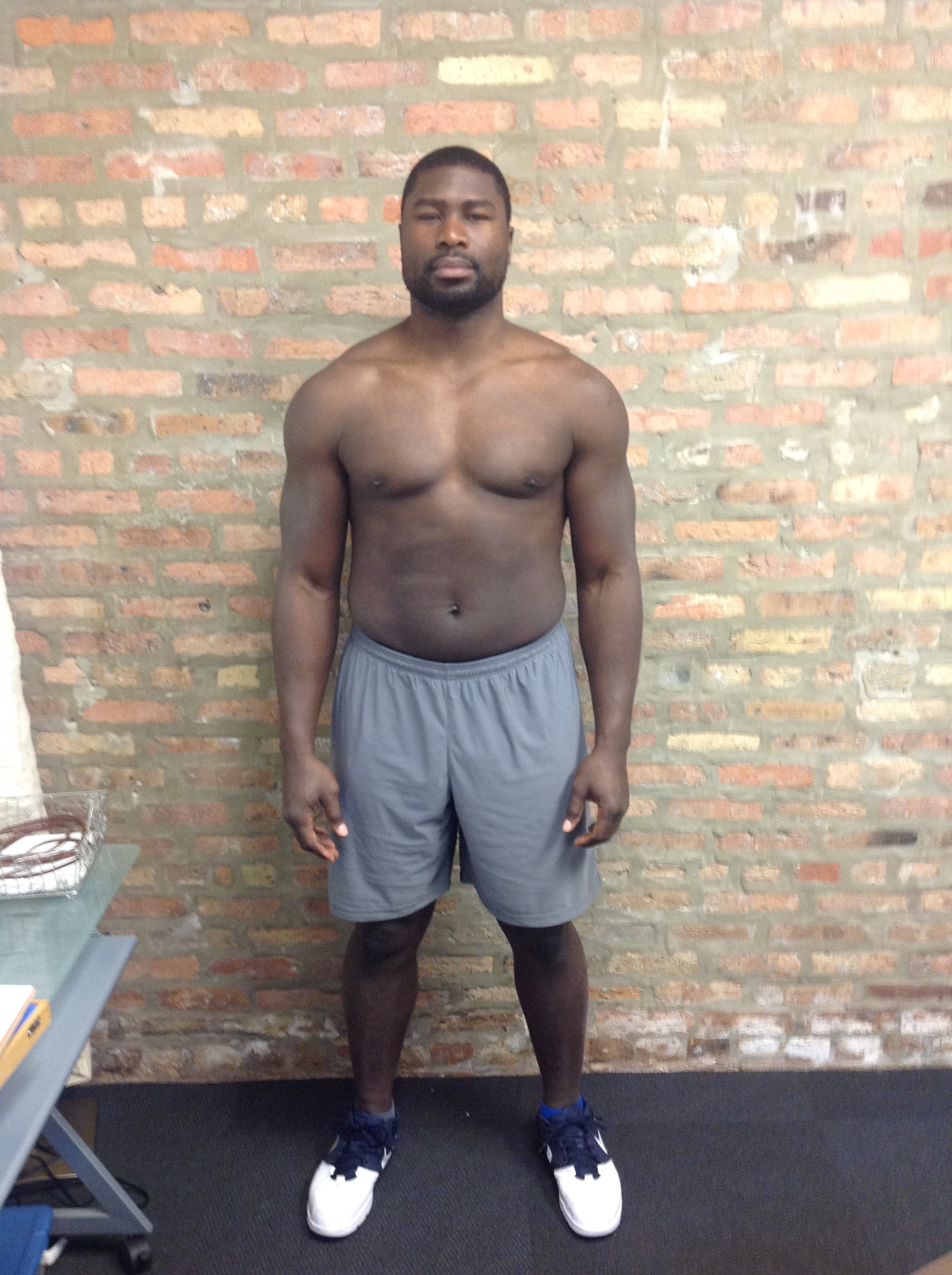
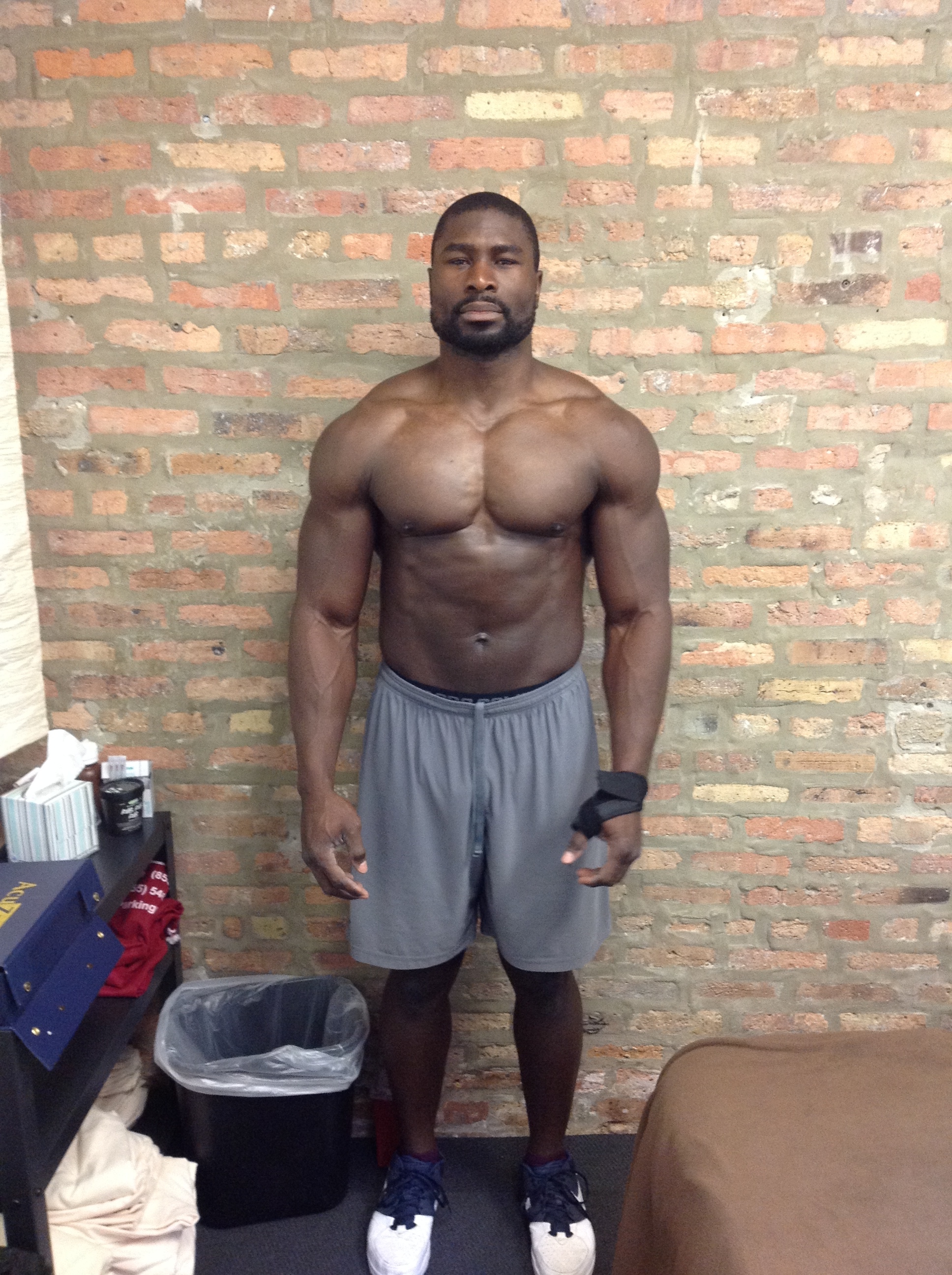
    Here at PTS we have the good fortune to be able to work with a very wide demographic of clients.  We work with clients of all shapes and sizes.  From youth to professional athletes and business men and women of all ages.  Everyone that begins to work with us has specific and unique goals that they want to accomplish but the only thing that is constant amongst all of our clients is the need for an improvement in body composition.  You will notice that I said ‘an improvement in body composition’ and not ‘weight loss.’  Those two things may correlate with one another however they don’t always have to.  In some cases an improvement in body comp could actually mean an increase in total body weight.

    When I am putting an new client through the evaluation I will always spend some time discussing his or her specific goals.  Much of the time people  have the misunderstanding the weight loss and body comp improvement are synonymous however the truth is that I have had many athletes that will decrease body fat percentage and increase their overall body weight through and increase in lean mass (AKA muscle tissue).  Why is this an important distinction to make?  Well, consider that muscles have contractile components.  From a physiological standpoint all physical work is done by muscles contracting and producing force.  That muscular force is what propels you forward when you walk and is what gives a basketball player the ability to jump up for a rebound (and all other body movements).  What some people forget is that adipose tissue, or fat, does not have contractile capabilities.  Therefore it could be considered ‘dead weight.’  Meaning that it does not help produce force and as such any excess fat will just weigh down the individual.   From an athletic stand point this has huge implications.  Lets use the example of the basketball player again.  Think of two athletes with almost identical physical traits.  Same height, same strength but one of the athletes has a 25 lb sand bag tied to his waist.  It would be logical to assume that the athlete without the sand bag around his waist will be able to jump higher and get the rebound.  This is kind of a crude example because there are obviously many other factors that play into getting a rebound but the point is that excess body fat is like that 25lb sand bag.  It does not have any capabilities of producing force and therefore is just excess weight.  I have seen dozens of athletes with body fat percentages above 25% when they should be closer to 10%.  Many of whom have never been told how important it is to be lean nor have they ever been taught what proper nutrition actually is.  Now all that being said I still think that for some athletes, having high levels of body mass is important.  For instance, offensive and defensive lineman need to be heavy.  Many coaches (especially at the professional level) place minimums on the body weight of their lineman.  But, just because some needs to be heavy does not mean that he/she needs to be fat.  Through the use of proper dietary guidelines and training protocols athletes can decrease body fat percentage, increase lean mass, get stronger and more powerful all at the same time (often without any decrease in body weight).

    First and foremost, I think that coaches and athletes in general need to start putting much more of an emphasis on body composition improvement.  Decrease body fat percentage, increase lean mass and improve overall functionality.  I can guarantee that the majority of the athletes of on the planet can improve their athletic capabilities by just improving their body comp.

    Whether you are a professional athlete or just someone who would like to look and feel better about your self email us at info@performancetrainingsystems.com to set up an evaluation.

  • Order Poliquin supplements through our website while browsing our blog!

    Click here to order Poliquin supplements when you’re traveling this busy holiday season!

  • A Scientific Approach To Losing Body Fat

    A Scientific Approach To Losing Body Fat

    In this installment I would like to discuss the common misconceptions surrounding body composition improvement and the fallacy that is calorie counting.

    Despite the popularization of the “low calorie” approach to weight loss which has been at the fore front of nutrition mass media over the past several decades, scientific research has proven that approaching weight loss and body composition improvement is much more in depth than the calorie in-calorie out theory. What first must be realized is that not all calories are created equal. To get more in depth we will have to dive into the world of macronutrients.

    The three categories of macronutrients are protein, fat and carbohydrates. Each of these categories has its own caloric value in that every gram of protein and carbohydrate contains four calories each and every gram of fat contains nine calories. It would stand to reason that if you were following a low calorie diet you should limit the amount of fat that you consume and since fat grams contain nine calories each your overall caloric load would decrease. Although this may be true, what you need to realize is that every single cell in your body (whether it is a muscle cell, vascular cell, neurological cell etc.) has a membrane that is made up of certain essential fatty acids and if you begin to decrease the amount of fat that you are taking in, your body will have a very difficult time maintaining cell membrane integrity. In turn this could have a negative effect on losing body fat because you will decrease your ability to get essential nutrients into cells where they can be used as energy. This may cause your body to respond by storing more of that energy (usually in the form of blood glucose) in adipose tissue or body fat.

    What many people fail to realize is that there is an entirely other system in the body that plays a major role in the way you either use stored body fat for energy or store the foods that you are eating into more body fat. The system that I am speaking of is your endocrine or hormonal system. Every time you eat something your digestive tract will break it down into its most simplistic form then transfer the nutrients from that food into the blood stream. Depending on the macronutrient profile of the foods that you consume the digestion process can either be very fast or much slower. The faster you digest a food, the faster its nutrients can get into the blood stream which in turn will raise your blood sugar levels. Once sugar gets into the blood in the form of glucose (the simplest form of sugar) your pancreas will release insulin, also known as the “storage hormone”, to take that glucose and put it into storage somewhere. Your body would like to put most of that glucose into its muscle cells (where it will be stored as glycogen and eventually used as energy) but after muscle cells become completely saturated, which can happen very easily, your body must find somewhere else to store that sugar. It will then put a small amount in your liver to be stored as glycogen and then finally start storing a large majority of the glucose in your fat cells increasing body fat storage.
    Your best bet to stay out of a state of elevated blood sugar and subsequently constantly high insulin production is to eat foods that have a slow digestive rate or low glycemic index (minimally impacts blood sugar). Carbohydrates have the fastest digestive rates and therefore produce the largest increase in blood sugar levels. If your goal is to decrease overall body fat and improve body composition then you would be wise to try and limit your intake of fast digesting/high glycemic carbohydrate based foods. Instead get the majority of your calories from good protein sources (organic meats and wild caught fish) and healthy dietary fat (omega 3 fatty acids) in order to maintain stable blood sugar levels throughout the day and keep your body from producing excess amounts of insulin. In addition to the intake of high quality proteins and fats it is also very important to eat a wide variety of vegetables. Vegetables contain high amounts of vitamins, minerals, phytonutrients and fiber. All of these nutrients are vital to overall health and well being and they play a major role in the overall improvement of body composition.

    Now I know what you are thinking, “don’t I need those carbohydrates for energy?” Actually the answer is NO! If your body does need to synthesize carbohydrates for glycogen storage or immediate energy you actually have the ability to take a molecule of protein and/or fat and put it through a process called gluconeogenesis in the liver that basically converts it into a carbohydrate. It typically takes about two weeks for your body to realize the decrease in carbohydrate consumption and then it will start utilizing stored body fat for energy.

    For more information on how improving the function of your endocrine system can aid in a much more effective and long lasting improvement in body composition contact PTS to learn about our nutrition consultation packages at performancetrainingsystems.com.

    By: Bobby DeThomasis

  • Order MCT Lean Products on our Website!

    Order MCT Lean Products on our Website!

    Order pharmaceutical grade MCT oil and great tasting vegan protein through our new partner MCT Lean. MCT Lean is a local company that manufactures great quality protein and MCT oil to keep you fueled and recover from your training. To order their products click here